






The outcomes teams like yours see with Tars
Purpose-built AI agents for senior living

Convert
Turn after-hours inquiries into booked tours instead of a callback list.
Capture and qualify family inquiries around the clock
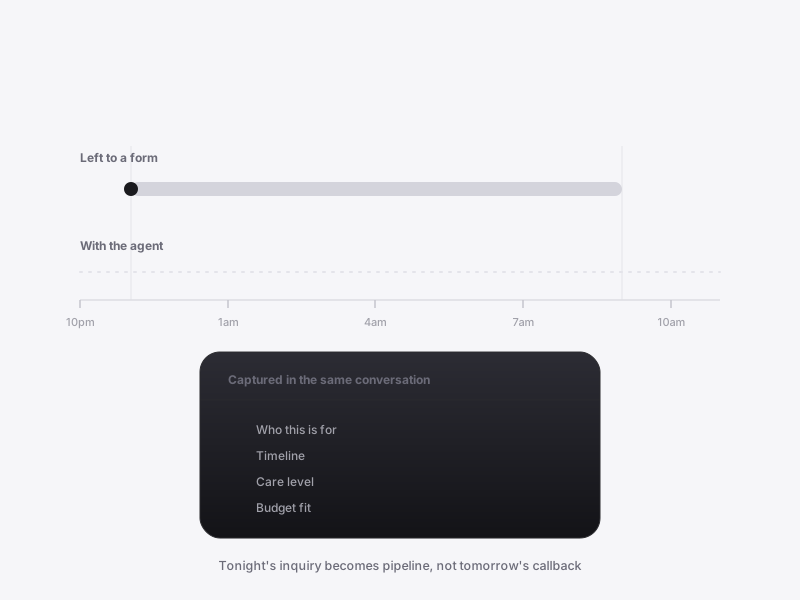
- Your best inquiries arrive after the sales offices close. Left to a form, tonight's inquiry waits for tomorrow's shift while the family tours other websites.
- The agent answers at 11pm, not at 11am tomorrow.
- It asks what your counselor would ask: who this is for, the timeline, the care level, the budget fit.
- Web, SMS, WhatsApp, or email, and every inquiry writes into your CRM as a structured record with its campaign source attached.
- Demand that used to expire overnight becomes pipeline your counselors work in the morning.
Book the tour inside the conversation
- The tour is the conversion event. Make a family wait for a call to book one and you lose a share of them.
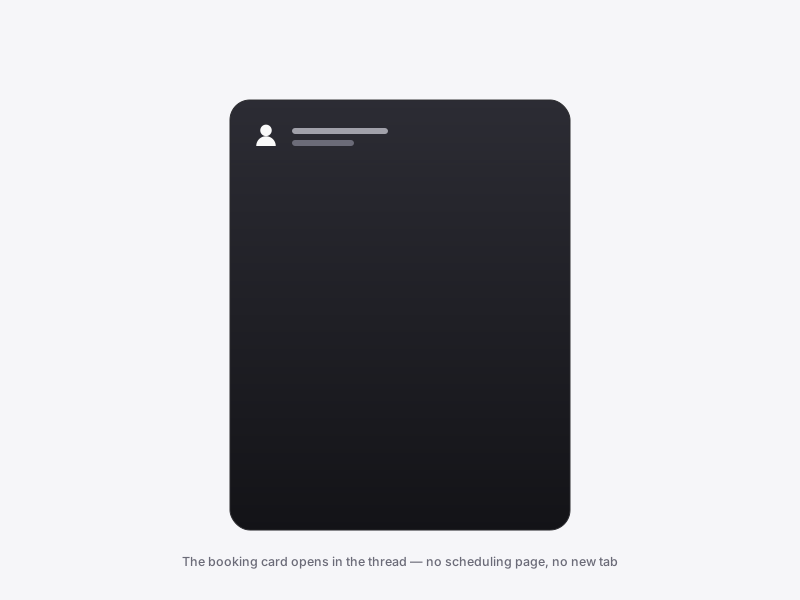
- Live availability from your counselors' Google or Outlook calendar shows up in the conversation, and the agent books the visit right there.
- Web, SMS, WhatsApp, or email. No separate scheduling page.
- The appointment and the qualification answers write into your CRM. If a family wants a person first, a counselor takes over in the same thread.
- Your counselor prepares instead of discovering, and starts the day with booked tours.
Match families to the right community and care level across your portfolio
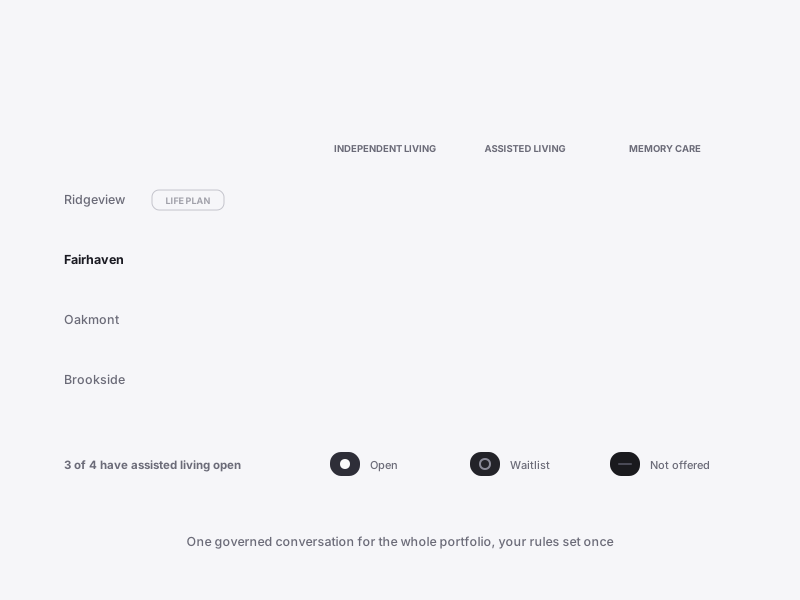
- A family cannot tell which of your communities is near their parent, or which have availability. So each location runs its own form.
- The agent runs one governed conversation for the whole portfolio. Your central team sets the rules once.
- It asks the location and care-level questions your team defines, from independent living to memory care.
- Working from your live availability, it routes each family to a community that can take them, including a Life Plan waitlist.
- Fewer misrouted inquiries, more paid traffic reaching a community that can serve it.
Stay in the conversation over a decision that takes months
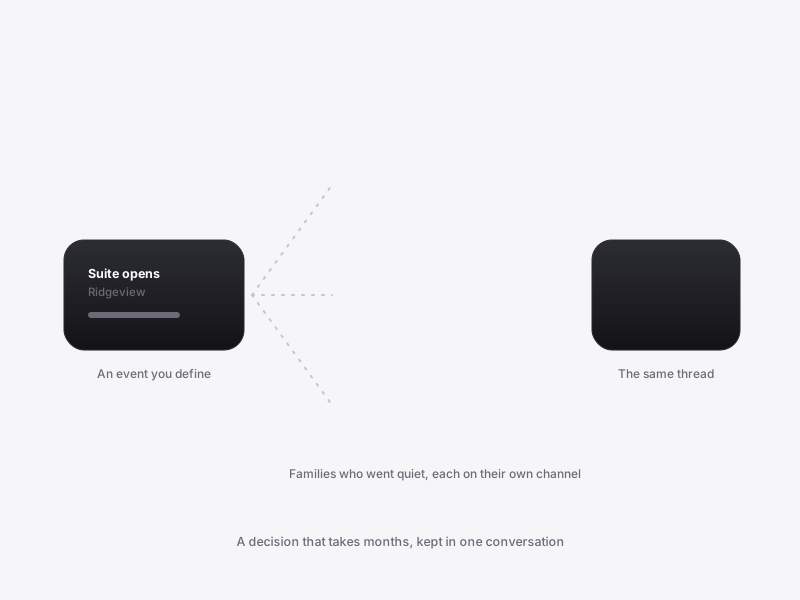
- Families research for months before anyone moves in. Your counselors triage to this month's goal, so the long-cycle ones go quiet.
- The agent keeps them warm with outbound SMS and WhatsApp campaigns, triggered by you or by an event.
- A suite opening at the community they liked. A lunch and learn invitation.
- Channel is a property of each message, so replies land back in the same thread with everything they told you.
- A counselor steps in when the moment is right, and the families who said "not yet" come back.
Platform
The four things your team will ask before an AI agent is allowed near a family.
Keep the agent inside what your team approved, and route everything else to a person
- You will open the demo by trying to break it. One wrong rate undoes a month of booked tours.
- The agent answers from your approved content and nothing else. No medical advice, no care-level promise.
- Outside that scope it hands off rather than inventing an answer.
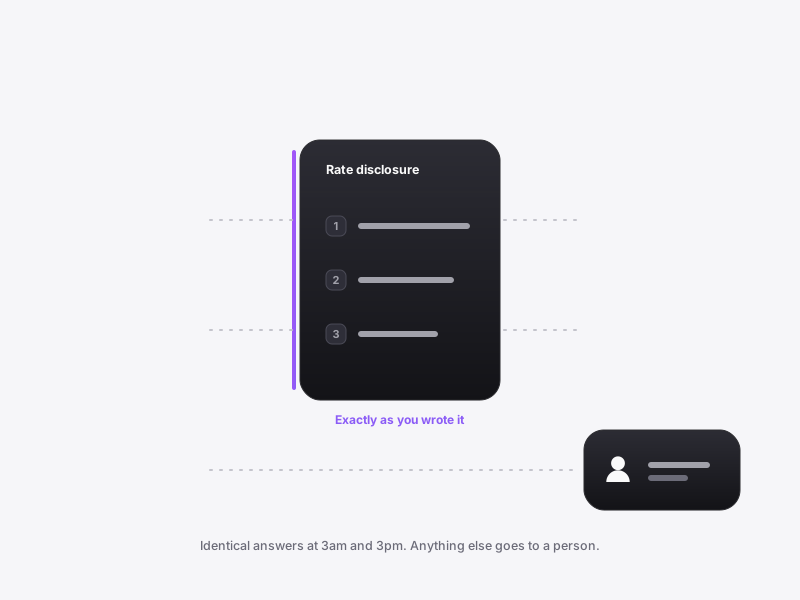
- Pricing, availability, and care-level language run as deterministic flows, exactly as you wrote them. Urgent situations fire your own escalation protocol, straight to a person with the conversation attached.
- Your reviewers know exactly what a family will be told, at 3am the same as at 3pm.
Run tour booking on your counselors' real calendars, with the qualifying answers attached
- Booking the tour is the conversion event. No booking links, because a new tab loses families.
- A branded booking card appears in the conversation, with live availability from your counselors' Google Calendar or Outlook Calendar.
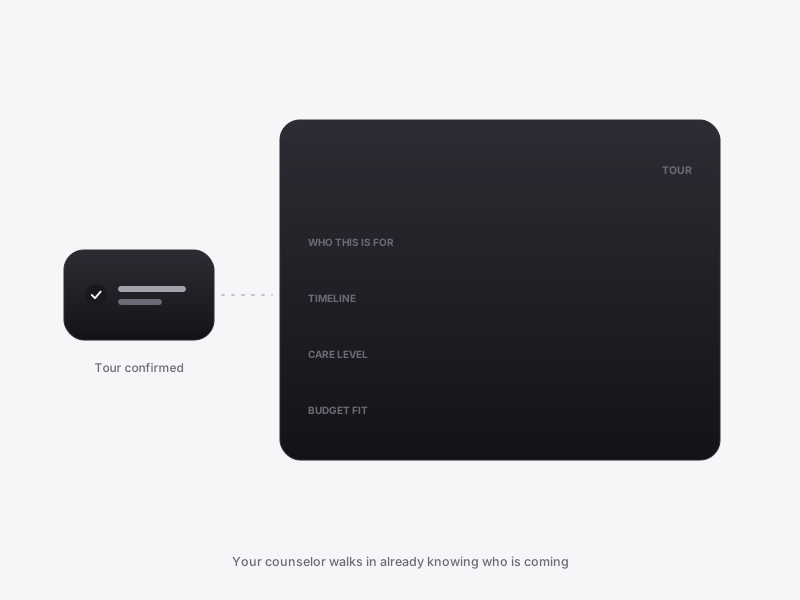
- The agent collects the details your counselor needs to prepare, in conversation, as it books.
- On confirmation, everyone gets a calendar invite, the family gets a confirmation email, and your counselor gets the booking notification.
- If a family needs a different day, a counselor moves it in the same thread. Your counselor walks in knowing who is coming.
See which sources produce tours, community by community and across the portfolio
- You spend heavily on aggregators, paid search, and agencies, then cannot say which produced a tour.
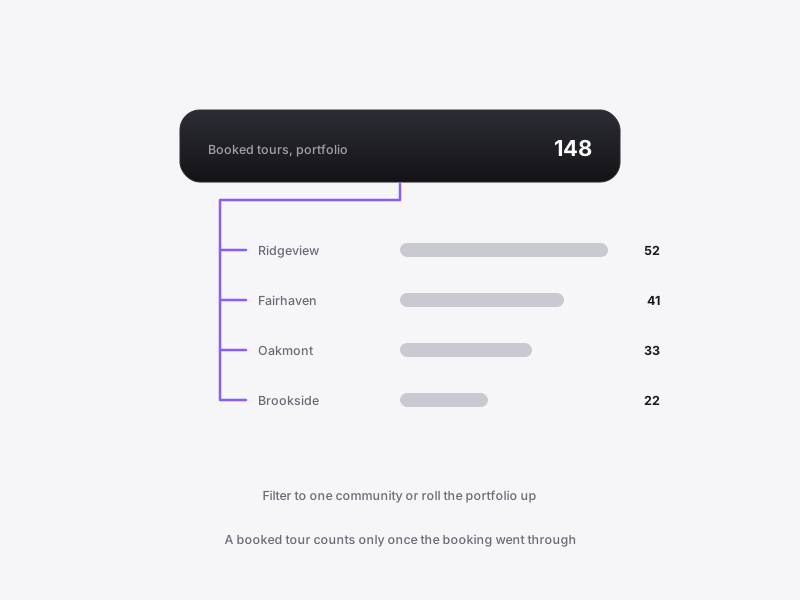
- One analytics home covers the portfolio. Filter to a single community or roll them all up.
- Funnels run visitors to conversations to booked tours. A goal counts only when the step succeeded, so a booked tour means a booked tour.
- Lead sources break out by UTM source, campaign, and landing page, each with its own conversion rate.
- Every number clicks down to the conversation behind it, so inquiry to tour by source defends your budget.
Test the agent against your worst-case family questions before you launch
- Nobody puts an agent in front of a grieving family on faith. Watch it handle your worst inputs first.
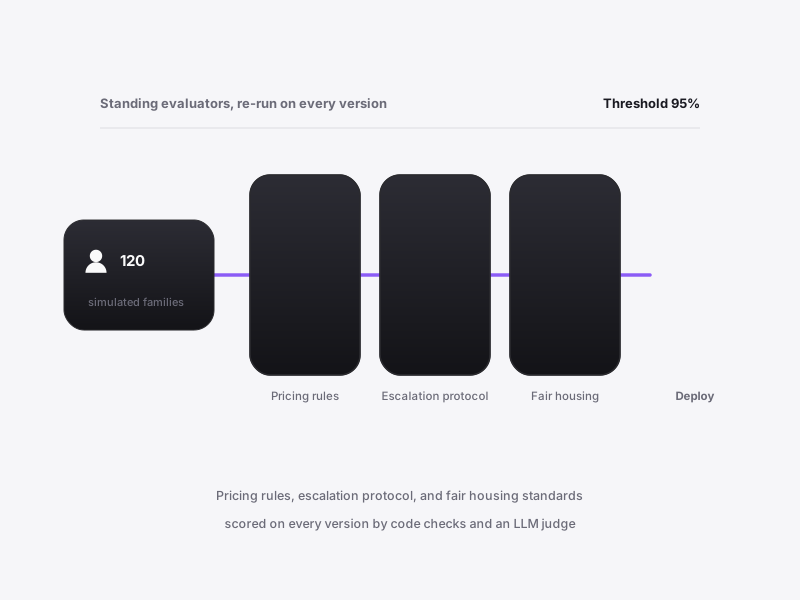
- Simulated families run multi-turn conversations against your actual agent, holding the questions you fear most.
- Personas come from your own content and inquiry history, and every run is scored by deterministic code checks and LLM-judge evaluators.
- Your pricing rules, escalation protocol, and fair housing standards become standing evaluators. You deploy only when scores clear your threshold.
- After launch, real conversations feed the same loop, so hard questions get answered before a family asks one.
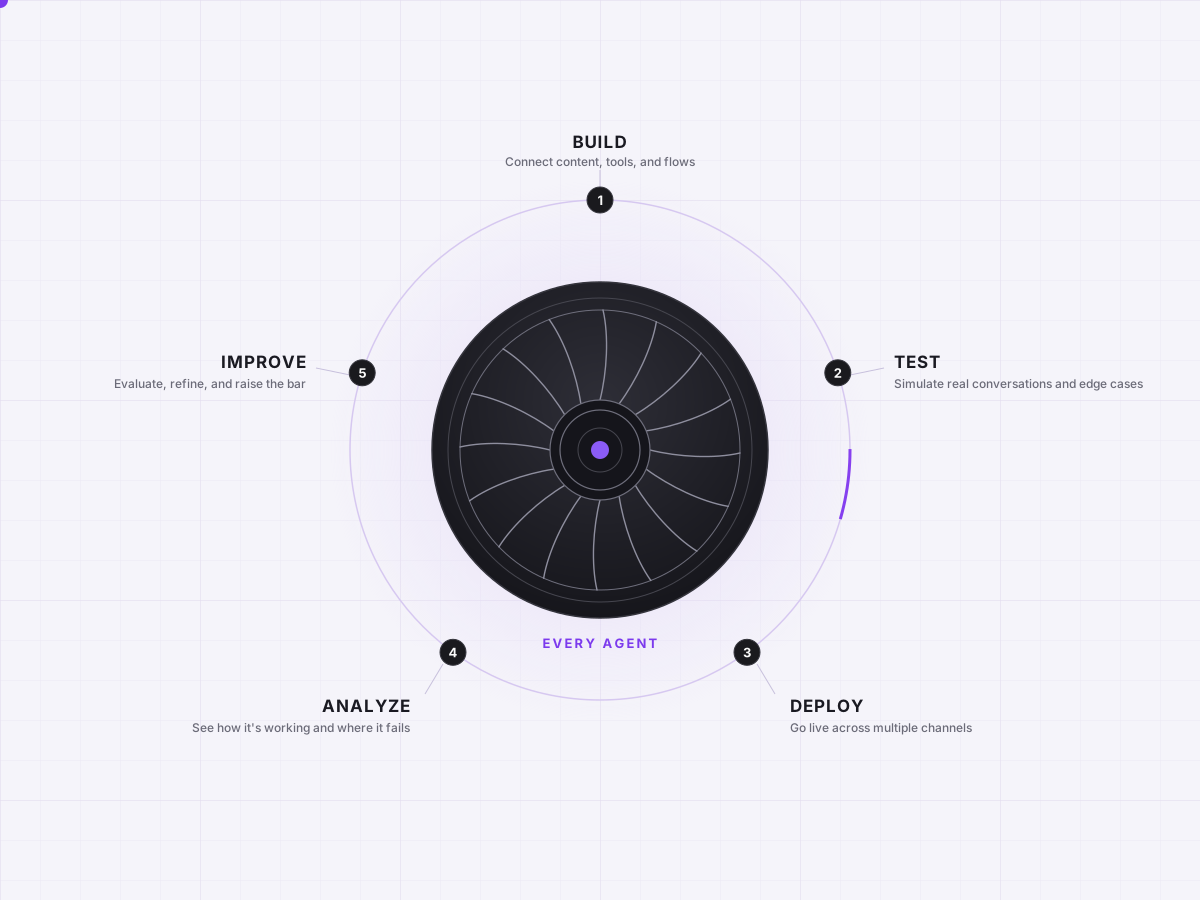
How Tars Agents Get Better

The healthcare acquisition flywheel
Putting an agent in front of people asking about care is not a click-a-button decision. Your clinical, legal, and marketing leads all have to sign off first. Tars closes the loop end to end. Train, test, deploy, learn, improve. More inquiries answered and more first appointments booked with every cycle.
Step 1: Train
Connect your service lines, locations and provider directory, accepted payers, pricing and policy pages, intake criteria, and past inquiry history. Set the guardrails and the exact wording for sensitive topics. The agent presents your care the way your best intake coordinator does, from your content and your rules.
Step 2: Test
Run simulated inquiries against the agent before launch, including the ones your reviewers are most worried about. Your escalation protocol and clinical-boundary rules become standing evaluators, so you see how the agent behaves on the hard cases before a single visitor does.
Step 3: Deploy
Go live on web, WhatsApp, SMS, and email when the scores clear your threshold, with booking and CRM write-back switched on from day one.
Step 4: Get Insights
See where inquiries drop off, which campaigns and landing pages produce booked appointments, and how conversion differs by location and service line. Every number opens down to the individual conversation behind it.
Step 5: Improve continuously
Close the gaps, re-test, and raise booked appointments month over month. Each cycle converts more of the traffic you are already paying for.



.png)
%201.png)
%201.png)