







The outcomes teams like yours see with Tars

Convert
Reach families while they are still choosing you.
Capture and qualify parent inquiries the moment they reach out
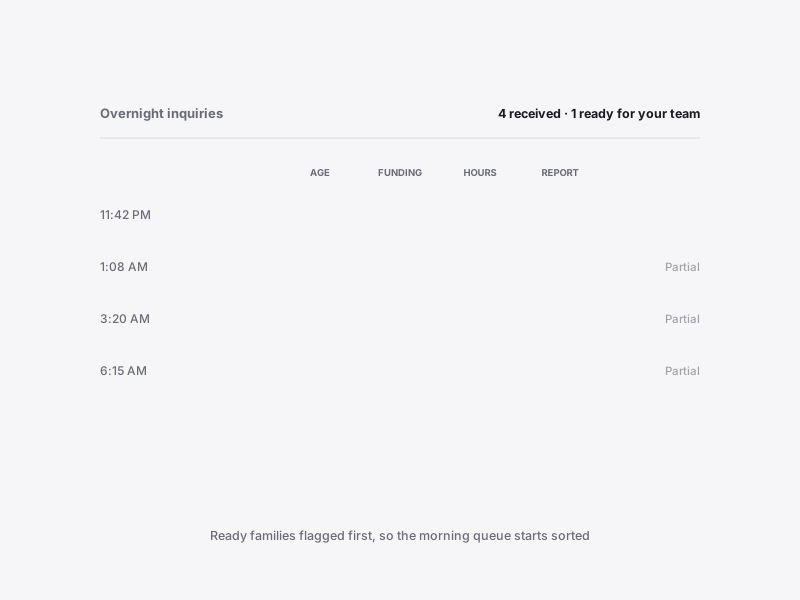
- Your late-night inquiry gets answered that night, while the parent is still looking.
- The agent asks what your intake coordinator would ask: the child's age, the funding source, workable hours. It also notes whether a diagnostic report exists.
- It runs on web, WhatsApp, SMS, and email, all in one thread.
- Every inquiry lands in Salesforce or HubSpot as a structured record, transcript and campaign attached.
- Ready families are flagged for your team first, so inquiries that used to expire overnight become morning pipeline.
Collect intake and insurance details up front so verification can start immediately
- In ABA the admissions funnel is the paperwork, and every step waits on the family.
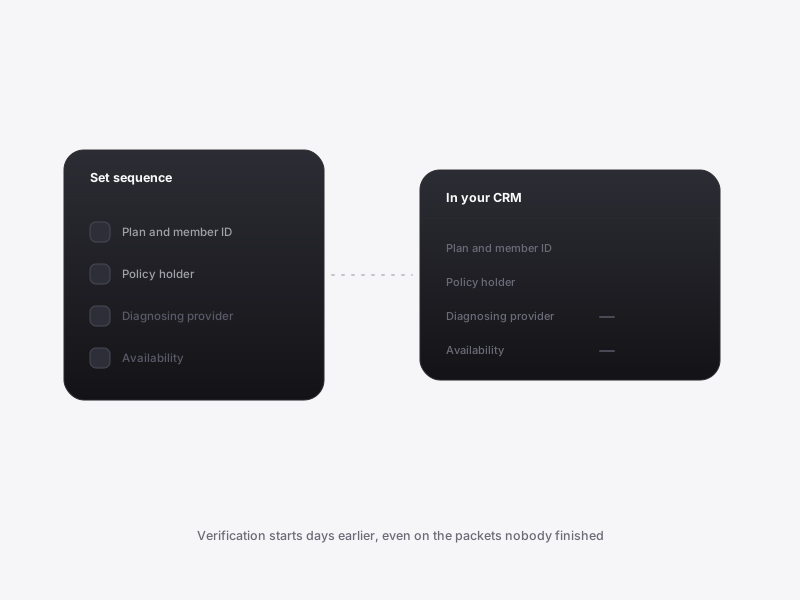
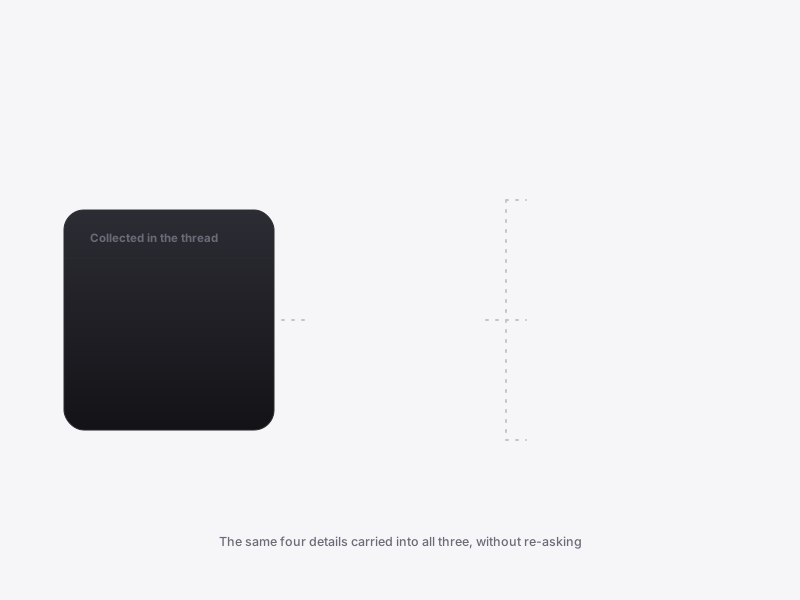
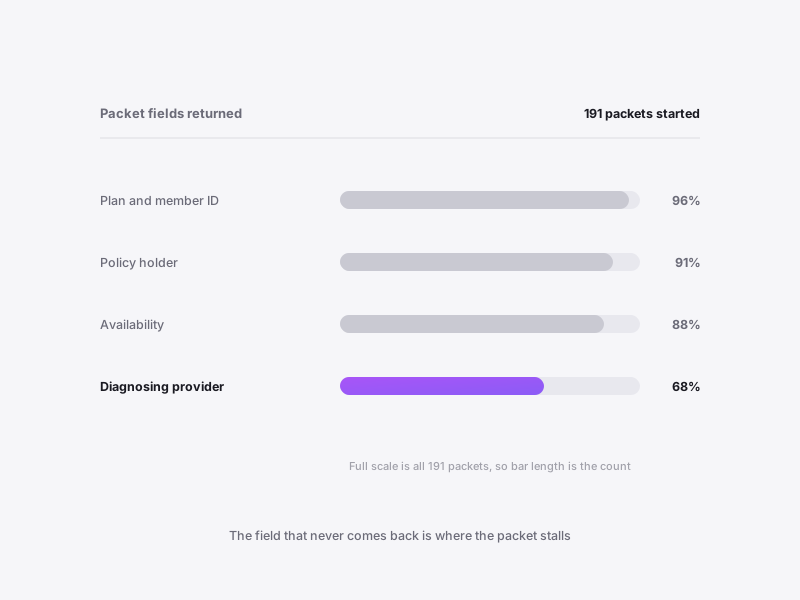
- The agent gathers the plan and member details, the policy holder, and the diagnosing provider.
- It captures the availability that decides which of your teams takes the child.
- Everything runs as a set sequence, so the same fields come back every time.
- Even a parent who stops halfway leaves structured fields in your CRM, so verification starts days earlier.
Keep waitlisted families engaged so they start care with you
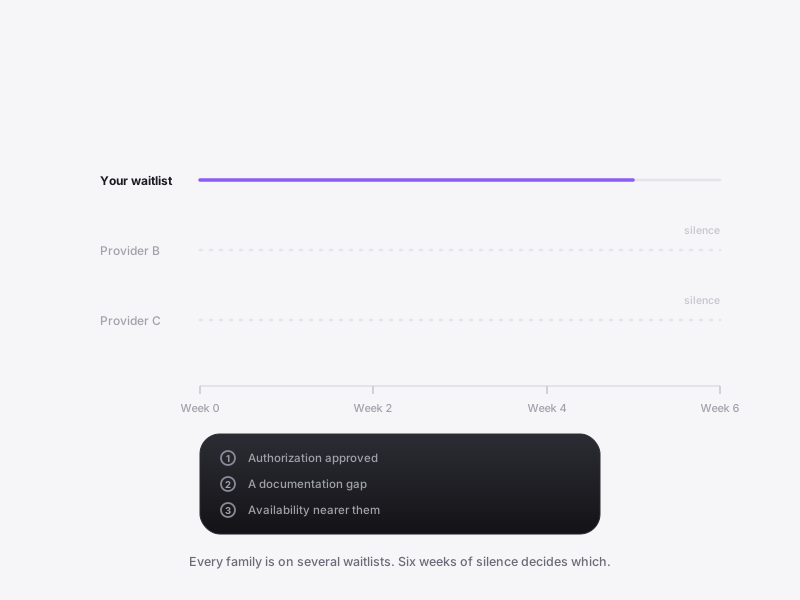
- Your waitlist is not only yours. Almost every family is sitting on several at once.
- Families go with whoever reaches readiness first, and six weeks of silence decides that for you.
- Event-triggered campaigns on SMS and WhatsApp carry the news: authorization approved, a documentation gap, availability opening nearer to them.
- Because the agent answers in the same thread, a parent can reply and get a real answer.
- Anything needing a person reaches your intake team with the full history, and your waitlist stops quietly emptying elsewhere.
Route school, pediatrician, and payer referrals into their own lane
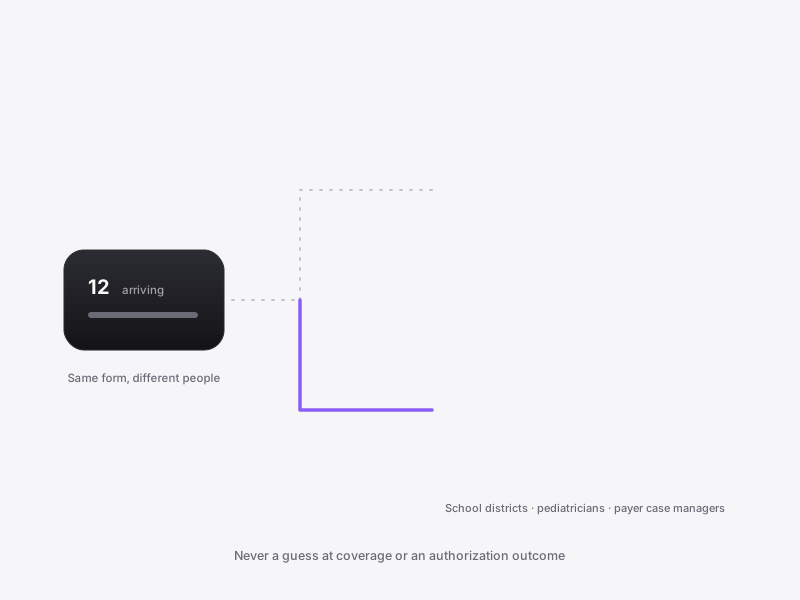
- Not everyone who contacts you is a parent. School districts, pediatricians, and payer case managers use the same form.
- The agent tells them apart early and collects only what your provider relations team needs to respond.
- It routes the case straight to that team and skips parent intake. It never speculates about coverage or authorization outcomes.
- Because these conversations touch schools and payers, it hands off to a person quickly.
- Your referral relationships stop depending on who checked the inbox, and your parent funnel counts actual parents.
Platform
The platform underneath, built for a conversation your clinical and legal leads have to sign off on.
Control exactly what the agent is allowed to say to a parent
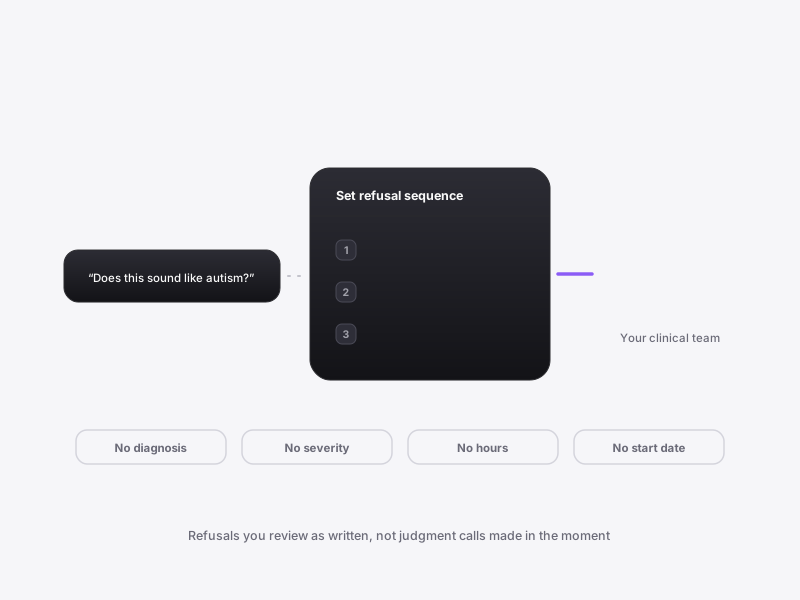
- A parent describes their child and asks whether it sounds like autism. That comes early.
- The agent stays operational, never clinical. It does not diagnose and does not comment on severity.
- It makes no promise about hours, progress, or a start date.
- Answers come only from content your team has approved, and outside that the agent says so and hands off instead of improvising from a general model.
- Refusals run as set sequences you review as written. Your clinical and legal leads know precisely what a parent will be told.
Book the intake call inside the conversation, while the parent is still there
- Your conversion event is a booked intake call, and a separate scheduling page is where that intent dies.
- The agent books in the thread, on live availability from your team's own Google or Outlook calendars.
- It honors the buffers and working hours you set, and distributes across your coordinators by round robin, least busy, or priority order.
- Qualifying details are collected conversationally, then carried into the calendar invite, confirmation email, and coordinator notification.
- Ready families land on your intake team's calendar inside the conversation that started the inquiry.
See where families drop off between inquiry and start of care
- You know how many inquiries came in and how many children started care. The middle is dark.
- Conversion funnels show how many visitors become conversations, how many qualify, and how many complete each step you define.
- Field-capture analytics show which details never come back, which is usually where a packet stalls.
- Every number opens to the conversation behind it, and any view exports to CSV.
- Your marketing lead can name the source that produced starts of care, and your intake lead can see which step is costing families.
Test the agent against your hardest parent questions before a parent ever asks them
- Somebody internal has to try to break it first. That review cycle is the real gate.
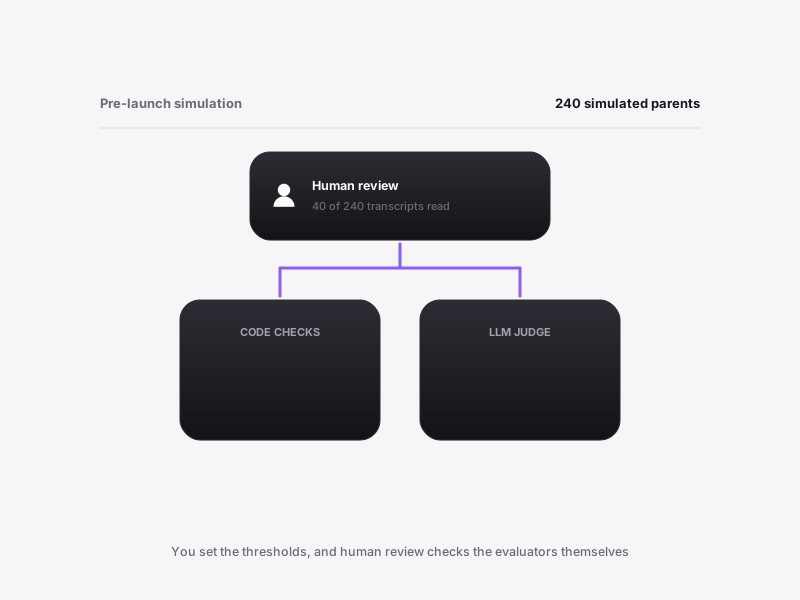
- Before launch, Tars runs simulated parents, driven by personas and goals, against your actual agent.
- Every transcript is scored two ways: deterministic code checks, and LLM-judge evaluators on answer quality and boundaries.
- Human review validates the evaluators, and you set the thresholds the agent must clear to deploy.
- You go live on evidence your own reviewers produced, and the improvement loop keeps running as real conversations teach you what you missed.
How Tars Agents Get Better

The healthcare acquisition flywheel
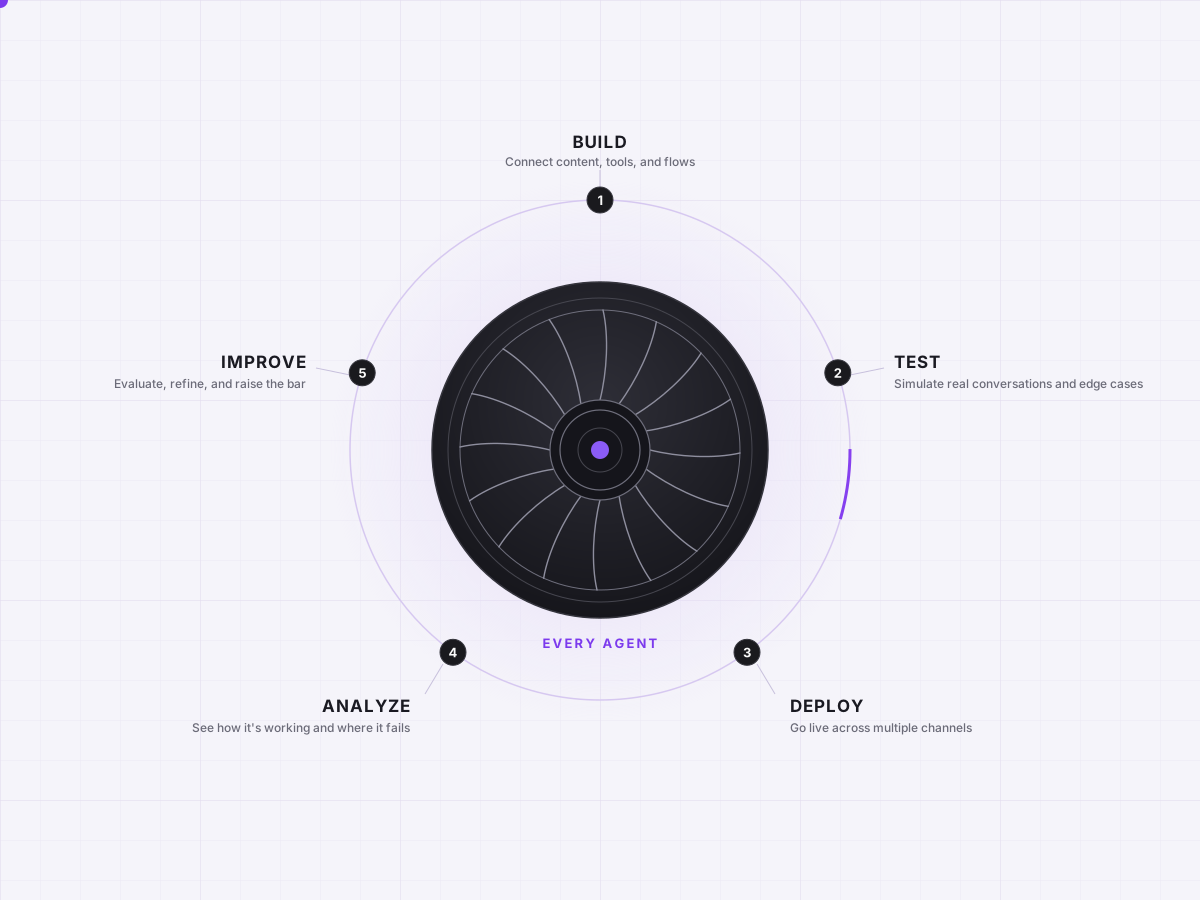
Putting an agent in front of people asking about care is not a click-a-button decision. Your clinical, legal, and marketing leads all have to sign off first. Tars closes the loop end to end. Train, test, deploy, learn, improve. More inquiries answered and more first appointments booked with every cycle.
Step 1: Train
Connect your service lines, locations and provider directory, accepted payers, pricing and policy pages, intake criteria, and past inquiry history. Set the guardrails and the exact wording for sensitive topics. The agent presents your care the way your best intake coordinator does, from your content and your rules.
Step 2: Test
Run simulated inquiries against the agent before launch, including the ones your reviewers are most worried about. Your escalation protocol and clinical-boundary rules become standing evaluators, so you see how the agent behaves on the hard cases before a single visitor does.
Step 3: Deploy
Go live on web, WhatsApp, SMS, and email when the scores clear your threshold, with booking and CRM write-back switched on from day one.
Step 4: Get Insights
See where inquiries drop off, which campaigns and landing pages produce booked appointments, and how conversion differs by location and service line. Every number opens down to the individual conversation behind it.
Step 5: Improve continuously
Close the gaps, re-test, and raise booked appointments month over month. Each cycle converts more of the traffic you are already paying for.



.png)
%201.png)
%201.png)















