







The outcomes teams like yours see with Tars
Purpose-built AI agents for insurance

Customer Support
Answer every policyholder in seconds, and keep your adjusters for the claims that need them.
Take first notice of loss the moment it happens
The agent takes FNOL in the conversation, the moment a policyholder reports a loss: the date, time, and location of the incident, what happened, the parties and any injuries, property damage, the police report number, and the photos the customer can send straight from their phone. It runs the same intake every time and sets the right expectations on what comes next.
It works on web, WhatsApp, and SMS, opens the claim in your claims system, and hands the file to an adjuster with the full thread attached: the timeline, the photos, the policy, and the prior claims. Nothing for the policyholder to repeat.
A claim gets logged in minutes instead of waiting for the call center to open, and your adjusters start on a complete file instead of chasing details.
Answer claims-status questions without an adjuster
"Where is my claim?" is the question that floods a claims line. The agent answers it: the current status, what the adjuster is waiting on, whether the estimate is in, when payment is expected, and what the deductible will be. It reads the live claim record so the answer is always current.
It works across web, WhatsApp, and SMS, pulls status from your claims system, and pulls in the assigned adjuster, in the same thread, the moment a question needs judgment instead of a lookup.
Policyholders stop calling to check on a claim they could see for themselves, and your adjusters get their day back for the work only they can do.
Service policies end to end, from ID cards to beneficiary changes
The agent handles the everyday policy servicing that fills your queues: issuing ID cards and certificates of insurance, address and beneficiary changes, adding a vehicle or a driver, and explaining what a coverage, deductible, or endorsement actually means in plain language.
It verifies the policyholder first as a strict, deterministic step, then reads and writes to your policy admin system so the change is real and recorded, and escalates anything that needs a licensed agent with the history intact.
Routine endorsements and document requests close in the conversation, and your service team is freed for the cases that genuinely need a human.
Explain premiums, billing, and payment options
The agent answers the billing questions that drive call volume: what's due and when, why a premium changed at renewal, how to set up autopay or a payment plan, and how to make a payment right now without waiting on hold.
It runs the payment step as a strict, deterministic flow so card and bank details are collected exactly the way compliance requires, reads the live balance from your billing system, and hands disputes or hardship cases to a person with the full context.
More payments clear without an agent on the phone, fewer policies lapse for a missed bill, and your team handles only the conversations that need them.
Customer Acquisition
Turn every shopper into a bound policy, before the lead goes cold.
Quote coverage in the conversation, not in a callback
The agent runs the quote the way your best producer would, conversationally: it asks what the shopper is insuring, prefills what it can from third-party data to keep the friction low, collects the rating details, and returns an indicative premium in the same chat. The shopper hears a real number while they're still interested, instead of waiting on a callback.
It works on web, WhatsApp, and SMS, can feed your comparative rater or quoting engine, and when the shopper is ready to bind, it either completes the deterministic application steps or routes a hot, fully-qualified quote to a licensed producer.
Shoppers get an answer in minutes instead of a callback that never converts, and your producers spend their time binding instead of re-keying intake forms.

Qualify and route inbound leads to the right producer
Not every lead should land on the same desk. The agent qualifies the inbound inquiry, the line of business, the coverage need, the timeline, and whether it's personal or commercial, then routes the qualified lead to the right producer, agency, or carrier appointment.
Because it's one continuous thread, the producer opens the lead already knowing what the prospect wants and what's been collected, and the qualified lead and its answers are written straight into your CRM or agency management system.
Fewer leads die in a shared inbox, and your producers pick up files that are already warm and ready to quote.
Re-engage renewals before they lapse
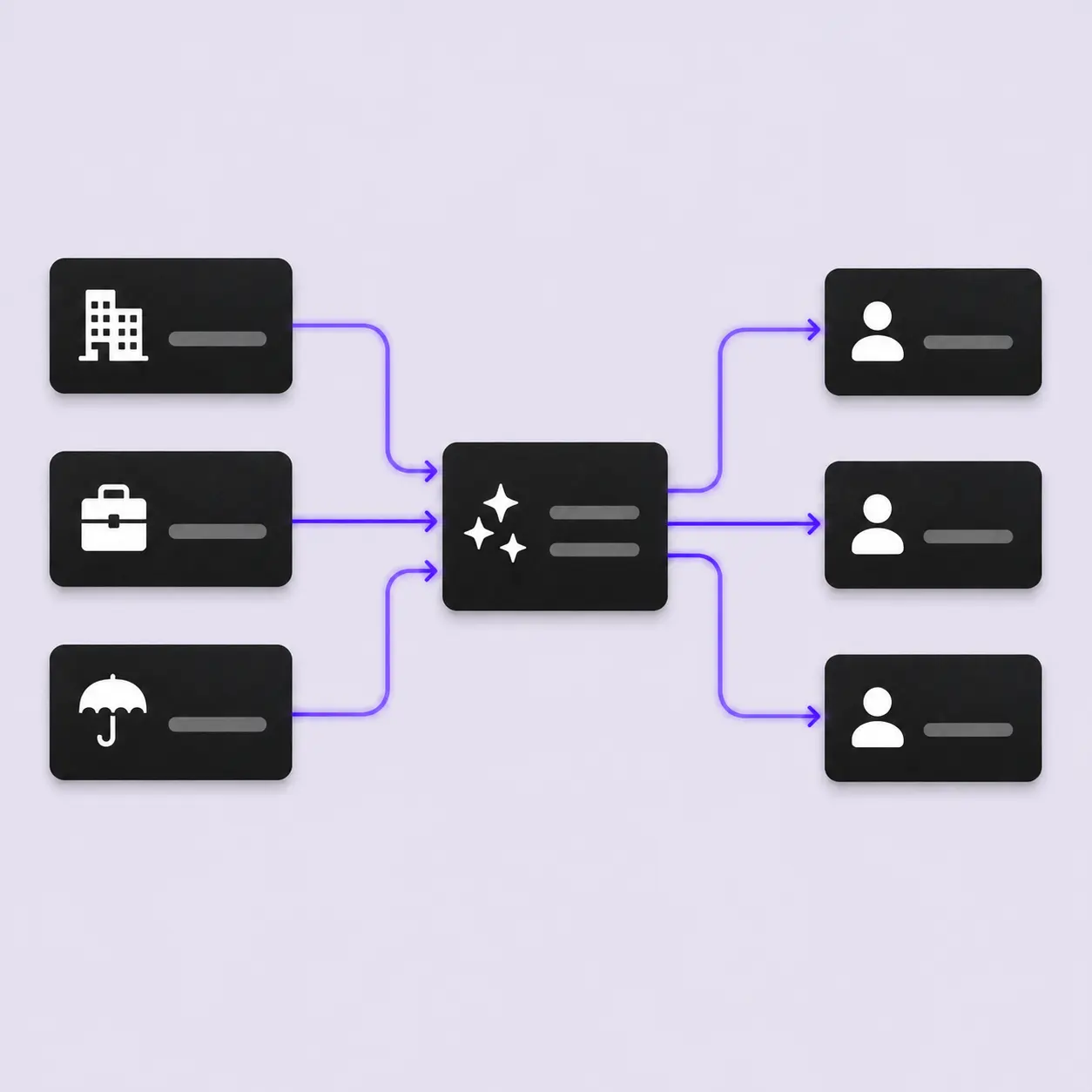
The agent runs proactive renewal outreach on the channels policyholders actually read: a heads-up before the renewal date, what the premium is and why it changed, and a one-tap way to confirm, pay, or ask a question. It works the renewal as a two-way conversation the policyholder can act on in one tap.
It reaches policyholders on WhatsApp, SMS, and email, reads the policy and renewal terms from your policy admin system, and books a call with a producer the moment a renewal needs a human conversation.
More policies renew on time, fewer lapse from a missed notice, and your book stays on the books.
Cross-sell riders and bundled coverage
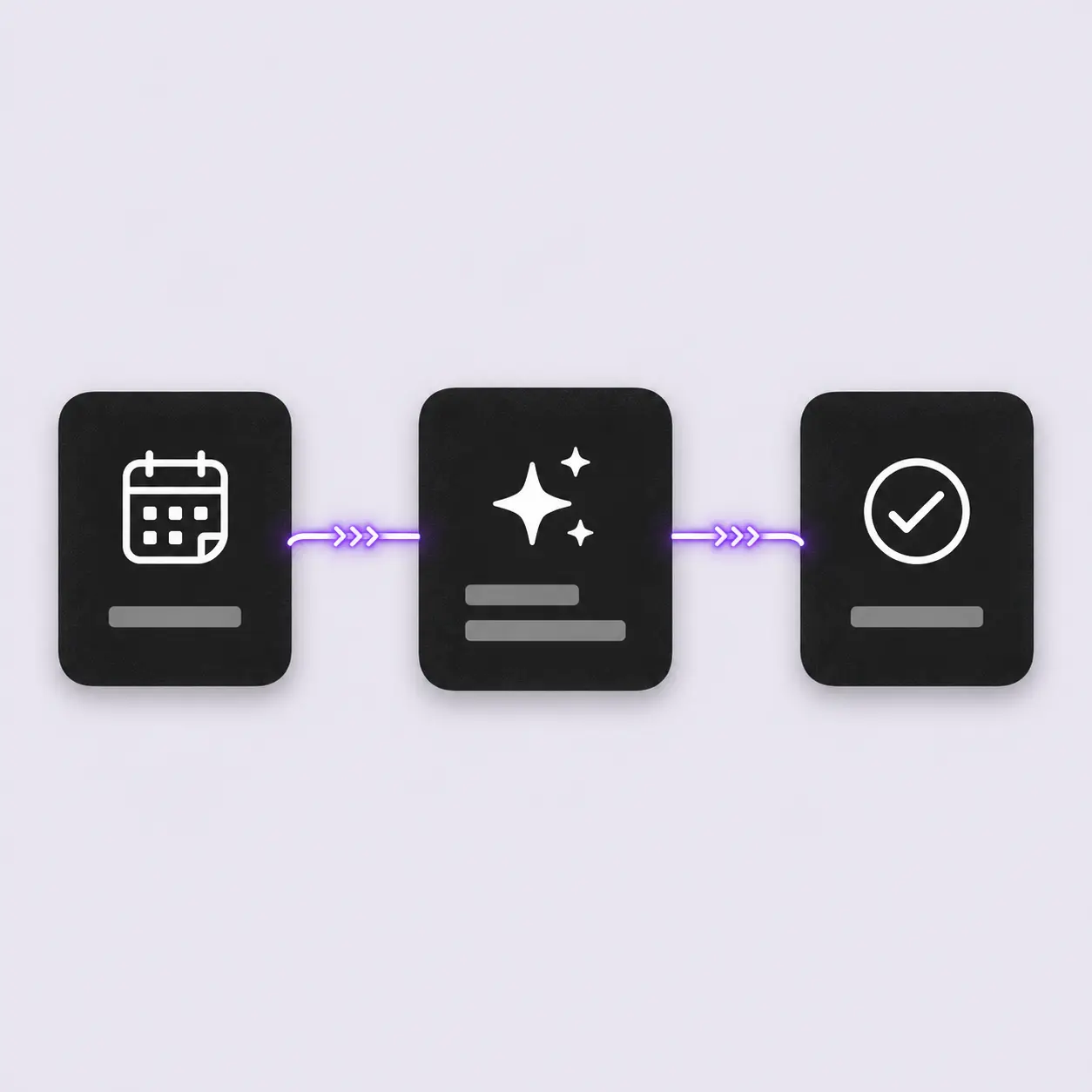
The agent spots the obvious next coverage and offers it in context: an umbrella policy for a customer with growing assets, a rider on an existing policy, or bundling auto with home for a multi-policy discount. It makes the offer as a two-way conversation the policyholder can question and reply to.
When someone is interested, the agent qualifies the need, quotes or routes it, and writes the engaged contact back to your CRM for the producer to close.
You grow policies-per-policyholder and retention in the same motion, on conversations your team never had to start by hand.
How Tars Agents Get Better

The Tars agent flywheel
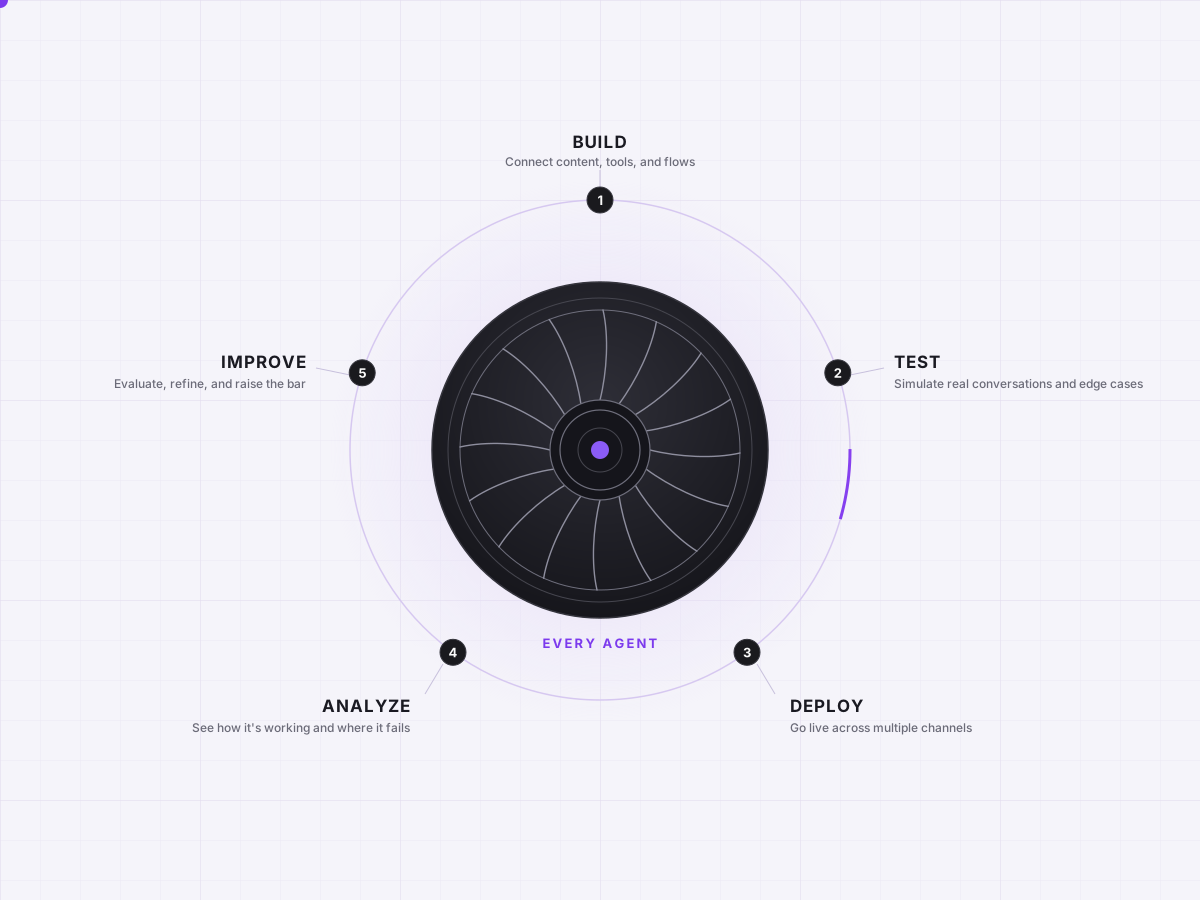
Standing up an agent your customers trust isn't a click a button and you're done story. Tars closes the loop end to end: train, test, deploy, learn, improve. More conversations get resolved instantly, and fewer reach your team, with every interaction.
Train
Connect your knowledge base, past conversations, and the systems your team already uses. The agent learns your products, your policies, and your customers, configured to your own data and rules.
Test
Simulate the agent against real customer questions before launch. Failure modes become validated evaluators, so you see real accuracy before a single customer sees it.
Deploy
Go live on web, WhatsApp, SMS, and email when the numbers say it's ready, with code based and LLM as judge evaluators scoring every conversation.
Get Insights
See which questions the agent struggles with, why escalations happen, and where customers drop off, with resolution broken down by use case.
Improve continuously
Close the gaps, re test, and raise resolution month over month. Each loop resolves more and escalates less.

















.png)
%201.png)
%201.png)


